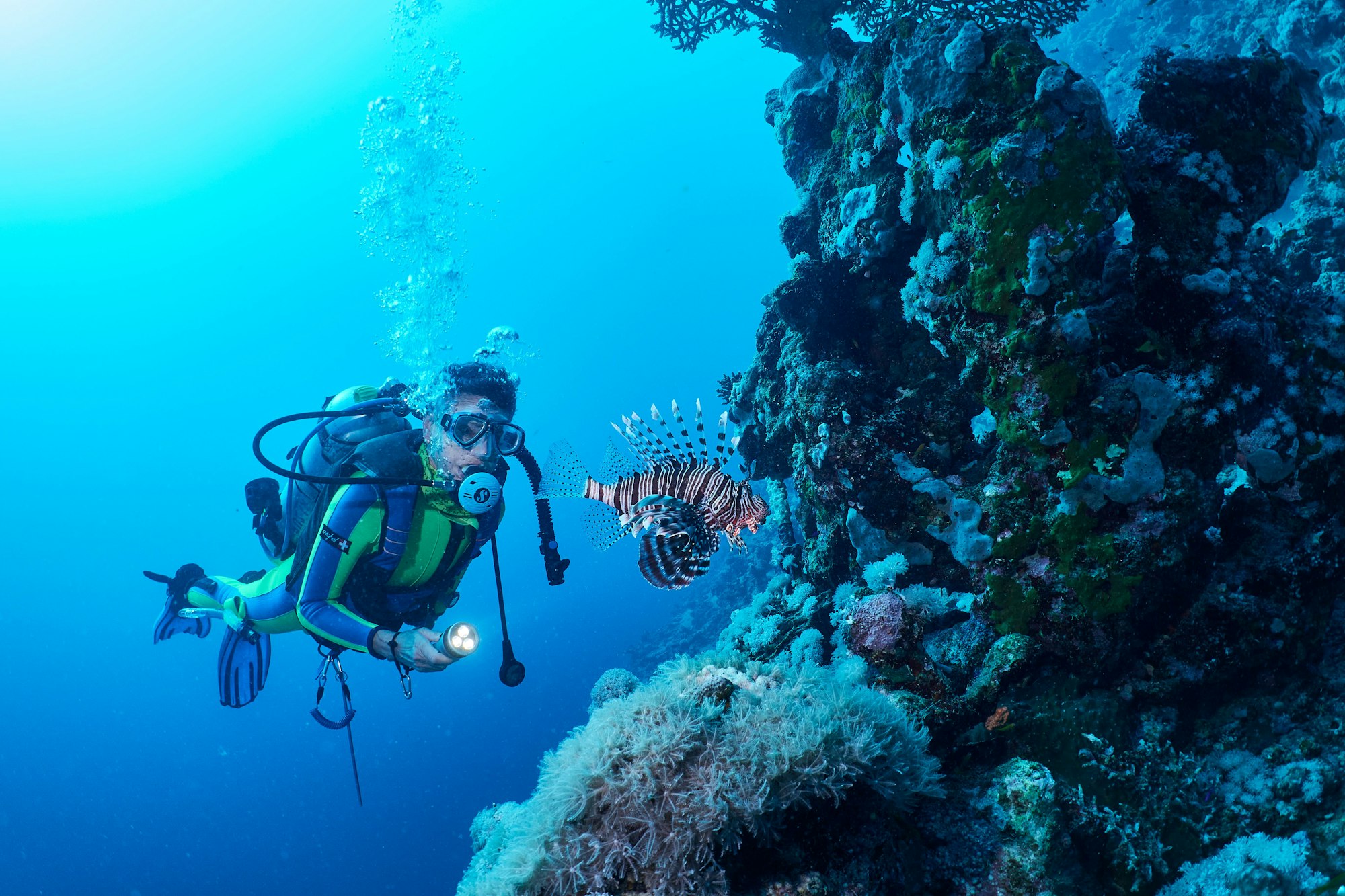
The Basics of Scuba Diving
Scuba diving is an underwater activity that allows people to see life and nature under the water. It can be done recreationally, for a hobby, or professionally. Divers are required to wear protective gear and to be supervised. Several certification organizations offer scuba courses for beginners and experts. These classes teach a variety of topics, including how scuba divers make underwater measurements, how to decompress, and how to avoid common hazards.
There are several hazards, including surface injuries from fish and other marine life, and exposed metal on wrecks. A diver’s own health and medical history is a consideration in scuba diving. If a person has a chronic illness or a mental health issue, their diving fitness may be impacted. Likewise, if someone is using medications, the effects on the body and mind should be examined.
Before diving, divers must complete a medical form. This document is signed by a physician and declares the diver’s health. In addition, a dive plan is a good idea. The plan should include a method to notify emergency personnel and the steps the diver can take to minimize risks.
For some people, scuba diving is a form of meditation, allowing them to experience life below the water’s surface. It can be a way to see nature in a different light, or to explore underwater caves or wrecks. Some commercial divers also use scuba skills to prepare for projects. Other special forces in the military are trained as divers and can provide scuba expertise when called upon.
While there is no shortage of equipment available for scuba diving, some of the most important pieces are a wetsuit, a dry suit, a tank, a hood, and a helmet. A dry suit can protect the diver from cold water and help them stay warm. Booties are also essential. They ensure a secure attachment to the fin, and the neoprene material helps to keep the diver warm.
Divers should have on-hand first aid supplies and reliable communication devices. During a dive, a BCD (Buoyancy Control Device) is usually attached to the diver’s waist. It keeps the diver buoyant and positive on the surface.
When diving, the amount of gas dissolved in the water increases with the depth of the dive. Bubbles of nitrogen gas in the blood and in the joints can cause bends. To prevent bends, it is recommended that a diver use an alternative air source.
Another hazard is nitrogen narcosis. Nitrogen gas bubbles in the blood can interfere with the oxygenation of the tissues, leading to delirium and even paralysis. However, the dangers of narcosis can be reduced with the use of helium gas.
Decompression sickness is another serious diving hazard. This condition affects the lungs and brain. Symptoms include a sudden change in mental status and delirium. Typically, a diver is able to recover from it, but it is a serious hazard that requires immediate medical attention.
Lastly, scuba diving can be dangerous if the equipment used is not in good working order. It is best to check all scuba gear for defects before diving.